

Description
A previously untranslated gem of Surrealist prose poetry from the acclaimed French novelist
In 1941, Julien Gracq, newly released from a German prisoner-of-war camp, wrote a series of prose poems that would come to represent the only properly Surrealist writings in his oeuvre. Surrealism provided Gracq with a means of counteracting his disturbing wartime experiences; his newfound freedom inspired a new freedom of personal expression, and he gave the collection an appropriate title, Great Liberty: “In the occult dictionary of Surrealism, the true name of poetry is liberation.” Gracq the poet rather than the novelist is at work here: Surrealist fireworks lace through bewitching modernist romance, fantasy, black humor and deadpan absurdism. A later, postwar section entitled “The Habitable Earth” presents Gracq as visionary traveler exploring Andes and Flanders and returning to the narrative impulse of his better-known fiction.
Julien Gracq (1910-2007), born Louis Poirier, is known for such dreamlike novels as The Castle of Argol, A Dark Stranger, The Opposing Shore and Balcony in the Forest. He was close to the Surrealist movement, and André Breton in particular, to whom he devoted a critical study.

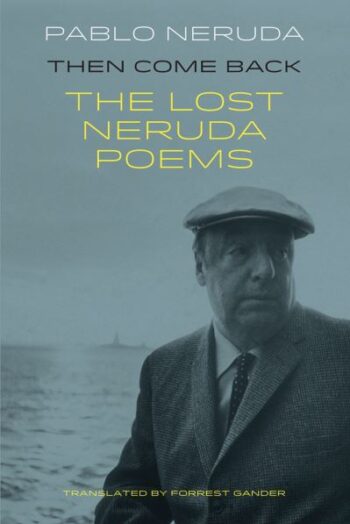
 The Hitting Game
 Imagined Sons
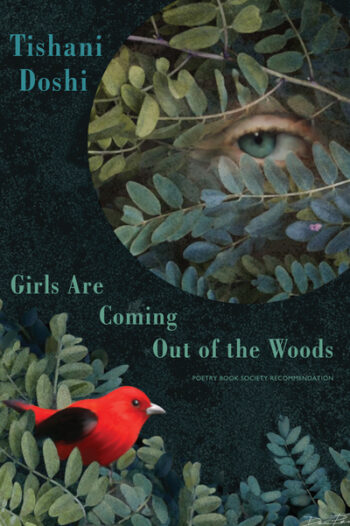 Girls Are Coming Out of the Woods
 28 Poems
 Being Alive
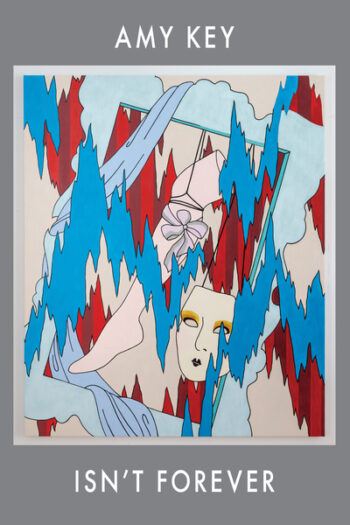 Isn't Forever
 Book of Mercy
 Collected Poems and Drawings of Stevie Smith
 Carnac (Bloodaxe Contemporary French Poets)
 Shuffle and Squelch: Book and CD Pack
 Hyphasis
 The Map and the Clock: A Laureate's Choice of the Poetry of Britain and Ireland
 Steep Tea
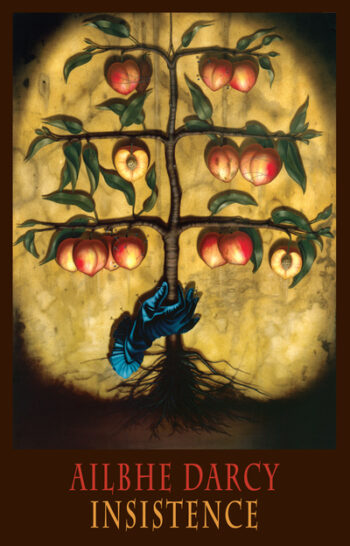 Insistence
 New and Selected Poems, Volume Two
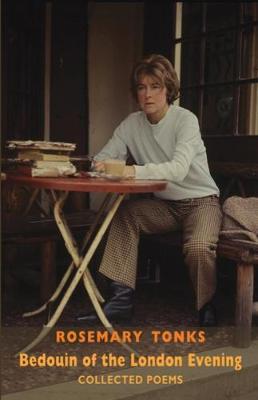 Bedouin Of The London Evening: Collected Poems
 The Tamarit Poems
 Negative of a Group Photograph